- September 16, 2026

-
-
Loading
Loading

As the Tampa Bay Rays continue winning on the field and made headway on turning plans for a new Tampa ballpark into a reality, the team’s future in the region was — yet again — thrust into question May 21, as political leaders got involved in the process.
That’s when a pair of Tampa City Council members expressed serious doubt about their future support for the plan, shortly before council approved by the thinnest of margins — 4-3 — a measure that allows city staff to negotiate on an $80 million funding package contained in a non-binding memorandum of understanding with the team.
Naya Young, District 5, and Bill Carlson, District 4, voted yes but made their reservations about the final agreements clear.
Just a few minutes later, though, council members unanimously pushed back a second vote to allow the Tampa Community Redevelopment Agency to negotiate on its $100 million portion of the proposed funding.
It’s not clear how the delay will affect negotiations. City Council, whose members make up the CRA board, will take the matter up again June 11. The Rays did not respond to a request for comment.
The non-binding memorandum of understanding between the Rays, the county, the city of Tampa, the Tampa Sports Authority and the Tampa Community Redevelopment Agency calls for the team to pay about 57.5% of the cost for the ballpark that would be built on the site of Hillsborough College on Dale Mabry Highway.
According to the memorandum, the team will pay about $1.32 billion for the cost of a new 31,000 seat ballpark. Hillsborough County will put in approximately $796 million with the city pitching in about $80 million through Community Investment Tax funds and the CRA about $100 million in the form of bonds to offset construction costs.
The team has agreed to cover all cost overruns and will pay to build a mixed-use development on the remaining property. The state is expected to cover most of the cost to build a new academic campus replacing the existing college.
Hillsborough County commissioners voted 5-2 to approve the measure May 20 with Donna Cameron Cepeda, District 5, and Joshua Wostal, District 7, casting the no votes.
That same day, the Hillsborough College Board of Trustees voted unanimously to approve a ground lease with the Rays.
Both votes followed a series of endorsements from community organizations, including the Hillsborough County Hotel & Lodging Association, Tampa Bay Chamber of Commerce and the Westshore Alliance. The Police Benevolent Association also backed the plan, with the team committing to relocate the Tampa Police Department’s District 1 station into the mixed used development.
After more than 20 years of the Rays trying — and failing spectacularly — to get a new stadium built in the region, it appeared as if the team was on the cusp of taking a major step toward what it’s deemed a “forever home.’
Enter Tampa City Council.
While technically Tampa’s City Council first affirmative vote allows the negotiations to move forward, Rays executives — and local fans — can’t be too confident about the future of the deal.
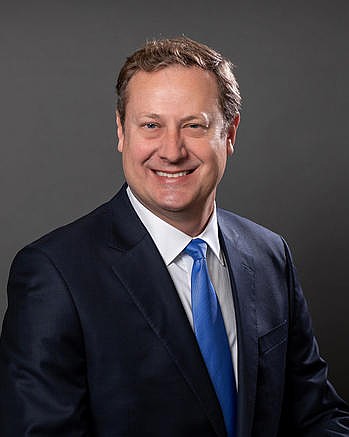
That’s because the two sitting council members — Young and Carlson — both stated that their yes votes to allow negotiations to move forward do not guarantee a yes vote in the future.
Young had a list of demands she’d like to see met in the final agreement before she gets to yes.
As for Carlson, he went so far as to say it would be almost impossible to win him over regardless of what the final package looked like. “I'm like 99.9% sure that I'm going to vote no…and I want to let everybody know that in advance,” he said from the dais.
With the three council members who voted no — Guido Maniscalco, Charlie Miranda and Lynn Hurtak — standing firm in opposition of public funding for a new ballpark in the city, losing a single vote would likely doom the deal.
Of course, there is the possibility negotiations could lead to an agreement where at least four of the council members — if not more — would be swayed. Or it is possible that one of the council members is grandstanding ahead of an election year and intends to vote for it.
Rays CEO Ken Babby said at the May 21 meeting that the team had made major concessions and was willing to make more.
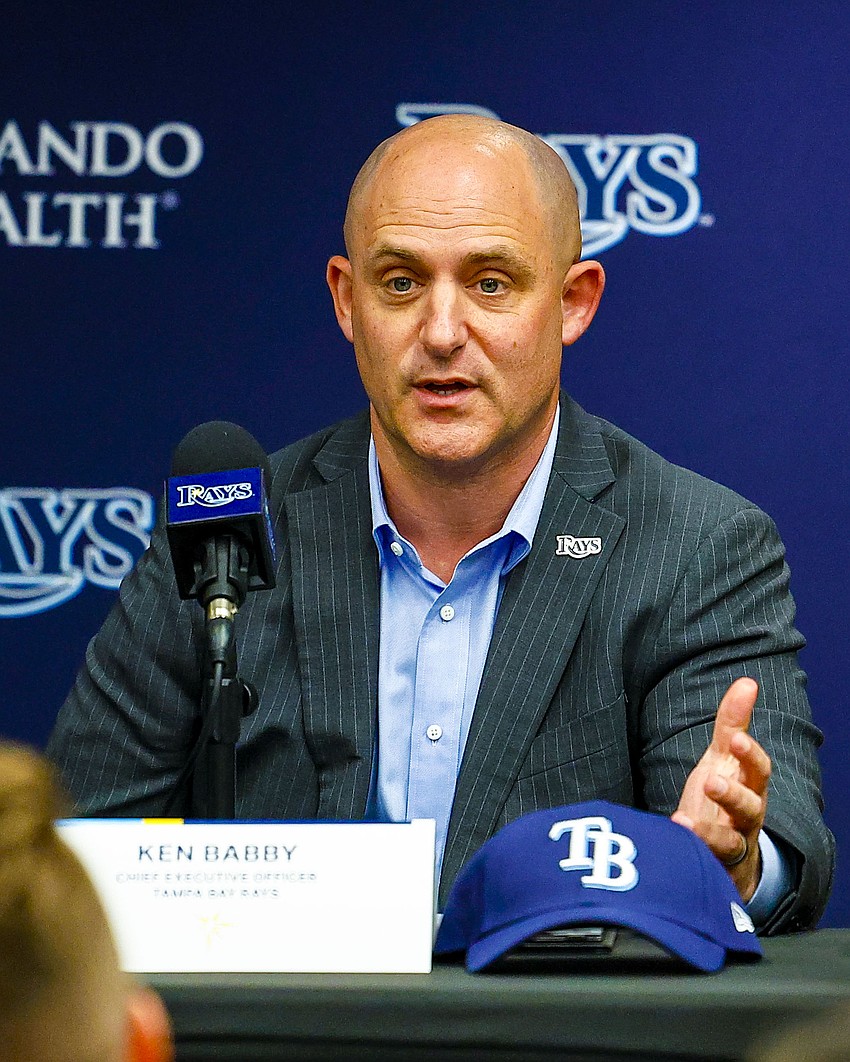
In a statement following the city council vote, which was sent before the CRA vote was delayed, Babby thanked City Council and city staff for their work throughout the process “which from the start was focused on one common goal — arrive at an agreement that is smart, fair and a win for everyone.”
But, speaking from the podium late in the meeting, as it appeared that council was poised to reject approving negotiations, Babby said there was little hope the team would stay in Tampa without the approval.
“I would urge you to let us continue the conversations,” Babby said. “Don't send the Rays out of Tampa.”
That said, it is possible that the team, which has already committed $1.3 billion for the construction of the ballpark, could find another source or absorb the $180 million if the council were to fail to approve the city’s portion of the funding. One would think that would be easier than starting the process all over again in, say, Orlando or Nashville.
It’s also possible, of course, that the Hillsborough County Commission rejects the final agreement.
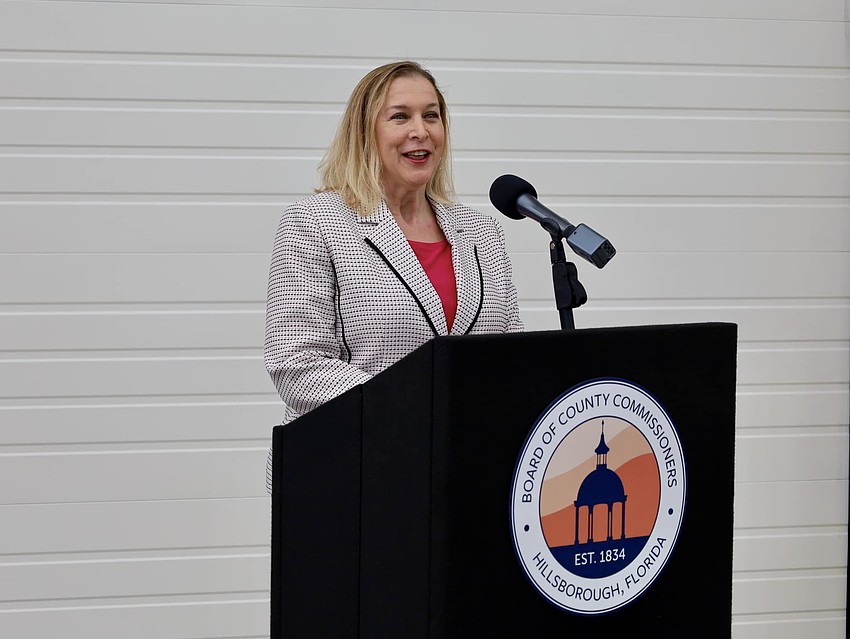
Speaking at the May 20 meeting, County Administrator Bonnie Wise said while the memorandum of understanding was in place, a lot of work remains.
Among the issues are questions about the source of funds for maintenance expenses. The county will own the ballpark with the Rays committing to play there for a minimum of 35 years, with the team responsible for maintenance and upkeep of the ballpark.
Other issues that need to be dealt with and clarified: Recourse if the proposed mixed-used development doesn’t materialize, revenue sharing for parking and a Community Benefits agreement.
“Opportunities of this magnitude are rare. Because of that, they require disciplined analysis, thoughtful consideration, and a clear understanding of both the risks and long-term potential benefits to this community,” Wise said at the meeting.
“There is substantial work ahead, and the financial considerations associated with this proposal are significant.”