- March 3, 2026

-
-
Loading
Loading
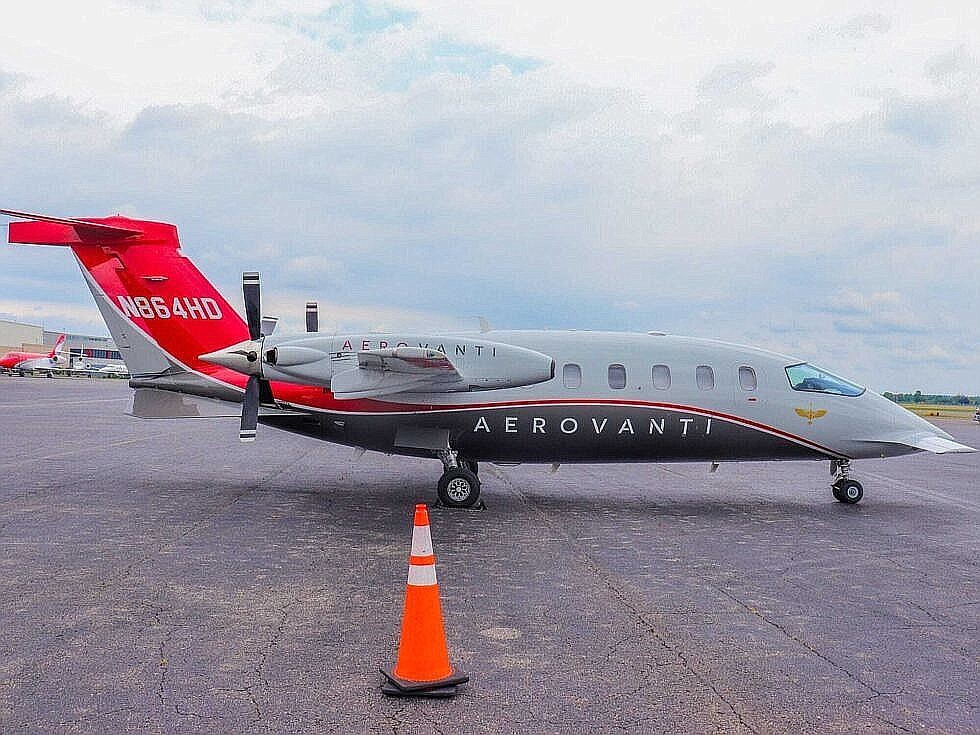
Patrick Britton-Harr is asking a federal judge to dismiss an indictment charging he defrauded members of AeroVanti, saying prosecutors violated his constitutional rights when presenting their case to a grand jury.
Britton-Harr, facing decades in prison because of this indictment and another involving Medicare fraud, claims in a motion that prosecutors misrepresented facts to a grand jury and that the indictment “failed to state an offense.”
The motion, filed Feb. 18, asks the judge to dismiss the case saying that the alleged misrepresentations made to the grand jury “substantially influenced” its decision to indict Britton-Harr. This, the argument says, violated his Fifth Amendment rights.
According to the motion, “The actions taken by AeroVanti and Mr. Britton-Harr at best make out a breach of contract but the indictment’s version of the actions with the alleged misrepresentations included attempt to make it out (as if it were) wire fraud.”
Brittion-Hafounder and CEO of the Sarasota and Annapolis private jet membership firm AeroVanti, has been charged with six counts of wire fraud in the case involving the company.
Prosecutors allege he defrauded victims of $14.7 million.
He is scheduled to go on trial in Baltimore May 18.
AeroVanti was founded in 2021 selling memberships to groups that would share the use of private planes bought from the proceeds of the memberships.
But it wasn’t long before customers and vendors began to file lawsuits charging AeroVanti sold $150,000 Top Gun memberships for planes that had been repossessed; allegations its fleet had been grounded while it poured money into pro sports and other sponsorships; and questions about the veracity of claims it raised $100 million from investors.
That was followed by lawsuits from former employees and several reshufflings of the CEO position.
According to the indictment, Britton-Harr “devised and knowingly intended to devise an artifice to defraud (members), to obtain money and property by means of materially false and fraudulent pretenses and promises.”
The core of the indictment centers on how the company administered the Top Gun program.
According to court records, it was designed so membership fees would be used to buy aircraft debt-free while offering members a pre-set number of flight hours. The members paid the $150,000 to join and were organized into five LLCs of 20 members each and the approximately $3 million per LLC was then put into escrow for the purpose of buying and refurbishing the planes.
Prosecutors have alleged that rather than using the money for airplanes, Britton-Harr had 28 disbursements made from the Top Gun escrow accounts totaling $14.3 million into AeroVanti accounts.
The money is alleged to have been used by Britton-Harr to fund a lifestyle that included buying yachts and real estate.
But in the motion to dismiss, Britton-Harr’s attorney, Gerald C. Ruter of Baltimore, accuses prosecutors of making a series of misrepresentations when it laid out its case for the indictment.
Among them, the idea that the money from the memberships would go to buy the airplanes debt free.
Ruter writes that “the membership agreement documents do not support this assertion” adding that it includes “no language” that back the allegations made in the indictment.
The 18-page motion goes on to discuss — and defend — the use of escrow accounts, how the disbursements were handled and the ownership of the airplanes. In each case, as can be expected, Britton-Harr’s actions are described to be within the agreement.
Ruter writes that by including “several misstatements within the four corners of the indictment” prosecutors were “attempting to provide the required element of a ‘scheme to defraud,’ meaning that Mr. Britton-Harr acted with a ‘specific intent’ to defraud.”
“Fraud cases are often much more complex and convoluted than perhaps gun or drug cases. This case is one of those,” he writes in the motion. “By not carefully crafting an indictment with precise wording or leaving out certain portions contained in a legally binding contract or flat out misstating as fact that which is not a fact at all will have the effect of confusing a grand jury.”
Prosecutors have yet to respond to the motion.
Along with the charges related to AeroVanti, Britton-Harr has also been charged with five counts of health care fraud and one count of money laundering in a separate indictment. In that one, he is accused of using companies he owned or controlled to overcharge Medicare for Covid tests during the pandemic.
He has also been hit with a $30 million judgement in that case.
The trial in that case is scheduled to start Oct. 13.
If convicted in either case, Britton-Harr faces a maximum penalty of 20 years in prison on each wire fraud count and 10 years in prison on each health care fraud and money laundering count.