- June 29, 2026
Loading
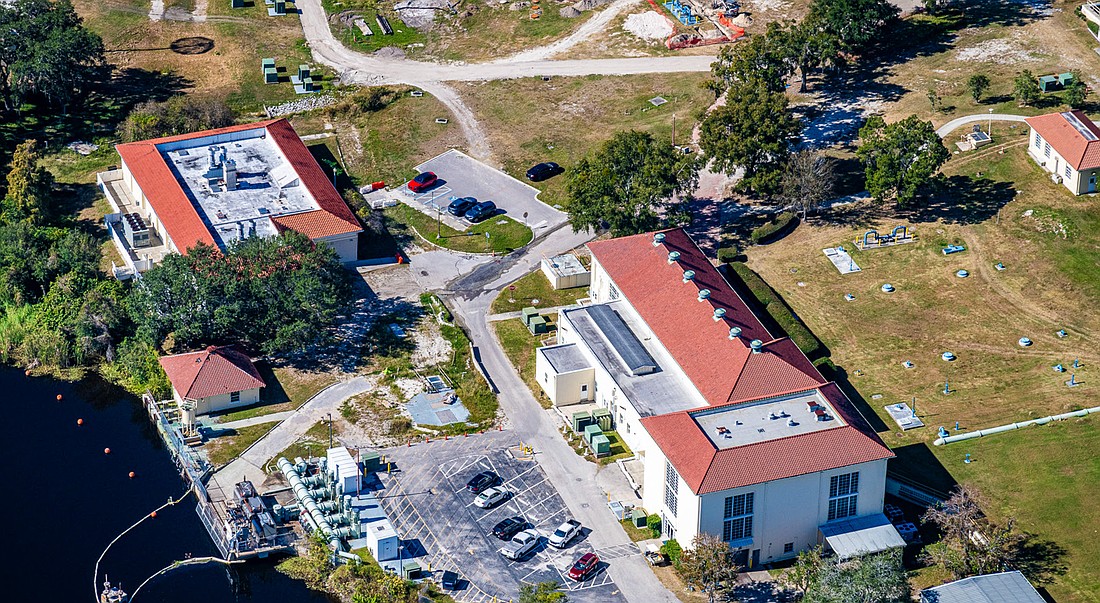
The Tampa Water Department is readying to install new technology at its David L. Tippin Water Treatment Facility to treat the city’s drinking water.
Tampa City Council has given the go-ahead for the department to begin the design and construction of what officials say will be the world’s largest Suspended Ion Exchange, or SIX, facility at the site. The new pre-treatment system will reduce naturally occurring organic matter in the city’s drinking water, lowering treatment chemical costs by up to 79% and effectively removing roughly 30% of PFAS, known as “forever chemicals.” from the Hillsborough River water supply, the city says.
The Tampa Water Department is partnering with Carollo Engineers, Garney Construction, Wharton Smith, Inc. and PWNT Technologies to design and construct the new facility, according to a release, with completion expected in 2032.
Once operational, the SIX facility will be the first of its kind in North America, the release says.
“By removing both organic matter and PFAS early in the treatment process, SIX delivers multiple water quality benefits through a single treatment technology,” the release says. “SIX will not only allow other treatment processes to work more effectively, but it will also position the Tampa Water Department to meet future drinking water regulations.”
In addition to improving water quality, the SIX system is expected to lower future construction and operating costs, the release says. By helping the rest of the treatment system work more efficiently, SIX reduces the scale of treatment improvements needed at the plant, the water department says. Studies conducted during the planning phase of the project found that using the new system could save the city more than $80 million in future facility improvement costs compared to other treatment options, the release says.
The new technology will also reduce ongoing treatment costs. During a 10-month pilot program, the SIX system eliminated the need for some treatment chemicals and substantially reduced the use of others, resulting in a projected annual savings of about $2 million, the city says.
The new system will process up to 140 million gallons of fresh drinking water per day. Currently, the city’s water facility processes an average of 80 million gallons per day.