- March 25, 2026

-
-
Loading
Loading
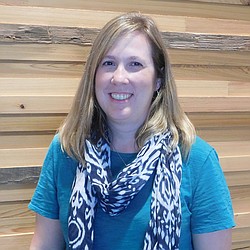
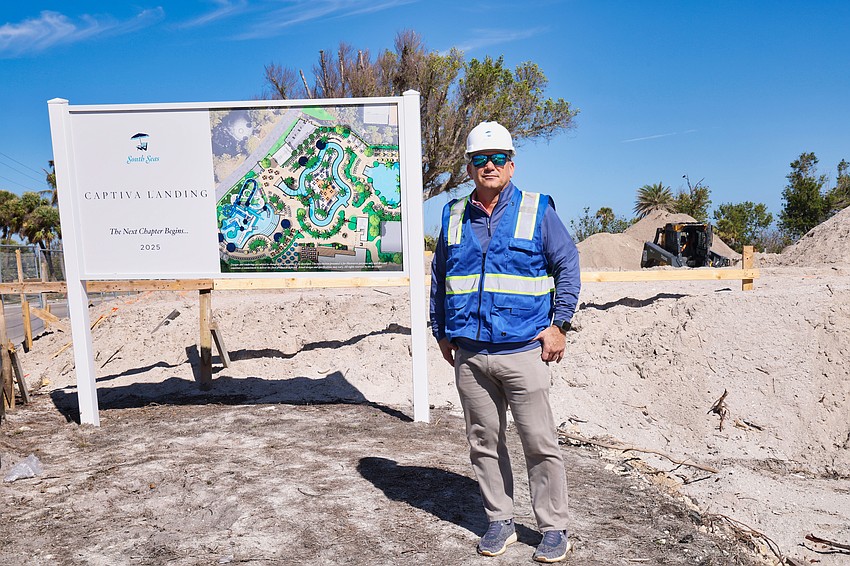
Greg Spencer grew up vacationing on Sanibel and Captiva Islands. “I was that nine-year-old riding a bike to Blind Pass to go fishing,” he says. “I always knew that it was just a really special part of Florida. It was accessible, but it felt like you were on a private island type of configuration.”
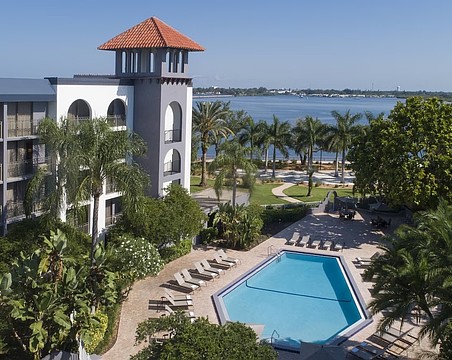
Now he hopes other kids and their families get to experience that same kind of feeling when they stay at South Seas, which was purchased in 2021 by Timbers Co., The Ronto Group and Wheelock Street Capital for $125 million. The 330-acre resort on the northern tip of Captiva Island opened its latest family-friendly amenity, Captiva Landing, at the end of December.
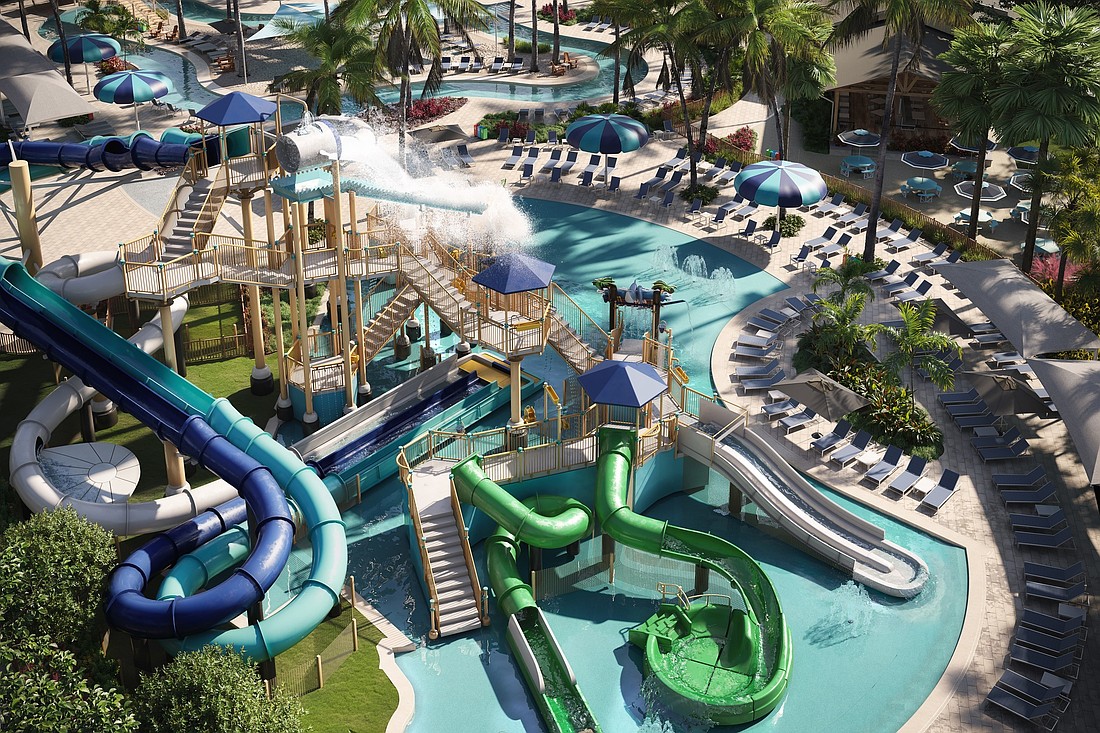
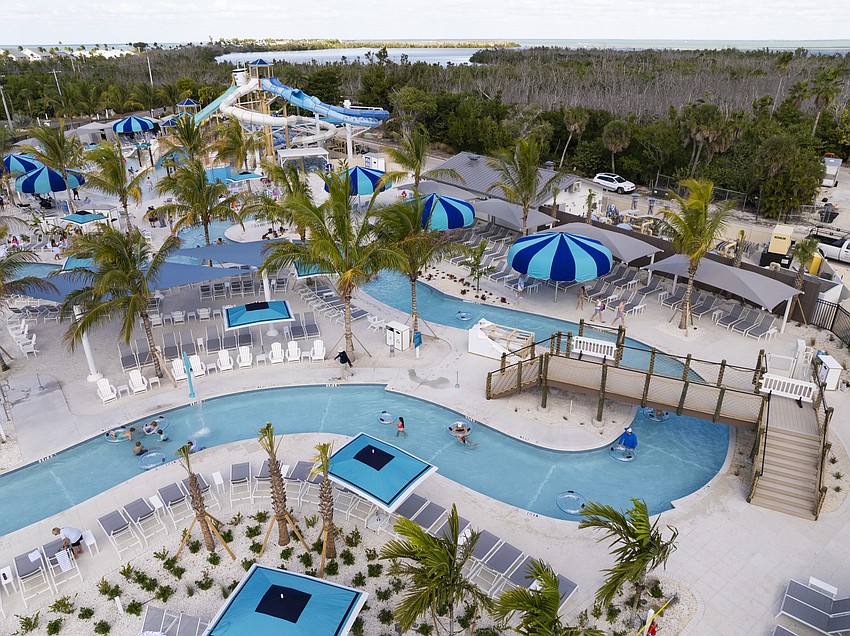
On the south end of the resort, the $26-million Captiva Landing includes a water-play zone with waterslides, lazy river, pool, quick-service restaurant, arcade and kids club. It’s a much-needed amenity for that end of the property, where 61% of the current lodging units are situated.
And it fits in with the general philosophies of Timbers, a developer and operator of luxury resorts, hotels, vacation residences and private residence clubs based in Winter Park, where Spencer is CEO. “Timbers Company has always been focused on multigenerational travel,” says Spencer, 55. “We find that it is a lot more sticky of an experience…We really try to focus on selling memories, on selling the opportunity to create ‘first of’ [experiences] with your grandkids or with your kids. And I think that’s really important.”
Another important part of the project, in Spencer’s view, is progress — in adding hotel rooms, condos and a spa and fitness center. That’s been thwarted by lawsuits and a multi-party opposition movement. The gist of the pushback: traffic and too much disruption to the character of the islands.
One of the organizations that opposes the project, the Sanibel-Captiva Conservation Foundation, has stated its concerns are that "the increased density will not only impact the unique nature of Captiva, but the added intensity of use will contribute to a degradation of our water quality, wildlife and our coastal ecosystems...In addition, there is also the worry that a project like this would set a new precedent for development on Captiva. If this project is allowed to develop despite past agreements, counter to the character of the island, and without engaging their neighbors from the beginning of the process, it could shift the paradigm away from the values that made Captiva special."
The group behind South Seas believes it has engaged with the community, and the project is just right for Captiva.
Since purchasing South Seas, the developers have invested slightly more than $100 million on cleanup and repairs after the 2022 and 2024 hurricane seasons, resiliency measures and new amenities like Captiva Landing, the Beach House restaurant overlooking the resort’s Sunset Beach and The Clutch nine-hole, family-friendly golf course. Spencer estimates the owners have “got north of a quarter of a billion dollars invested in the property right now” when you add in the purchase price from 2021.
But that was all part of the plan from the get-go. “We liked that it gave us an opportunity to really kind of dig in on it,” says Spencer. “We weren’t just buying a parcel and competing against five other parcels up and down the street. It felt like a property that deserved a lot of capital, and not just physical capital, but also emotional and intellectual capital.
“We felt we had the team and tools to really try to get South Seas back to the grandeur that it was,” he continues. “In the late 1970s and early ’80s it was a big deal. It was kind of revolutionary at the time. You had a lot of smaller mom-and-pop operations up and down the coast of Florida, but South Seas was one of the true first master-planned resorts.”
It hasn’t been easy. The resort took a major beating from 2022’s Hurricane Ian, and two more from Hurricanes Helene and Milton in 2024. But its leisure business has bounced back, with occupancy around 95% the first week of March 2026. Group reservations are taking a little longer to come back, but Spencer hopes all the resiliency investments like backup generators, flood barriers and floating docks at the marina will give businesses and other groups peace of mind.
Strong hurricanes and coastal flooding, off course, are a reality in these parts that’s not going away. “To build beachfront on our property, we now have to have the first floor at 20 feet above sea level,” says Spencer. “Change is scary, but why continue just to build back what existed so you’re offline two or three years after every hurricane? They’re not going to stop coming, so what are you doing to limit the amount of damage?”
And travelers these days want amenities like Captiva Landing. Spencer points to Hawks Cay Resort in the Florida Keys, which could be considered a competitor of South Seas, that is building a water park amenity like Captiva Landing. “The reality is the resort was dying on the vine,” he says. “It was great in the 1970s, but it wasn’t current.”
At this point, accommodations at South Seas consist of more than 300 third party–owned condos around the property, as well as several luxury “Homes of Distinction” available for rent. (The overall South Seas property includes a range of privately owned villas, condominiums, and single-family homes, some of which are available for rent and some of which are private residences.) Booking official South Seas rental inventory provides guests full access to all of the amenities at the resort, which ownership has collectively dubbed “Club Captiva.”
Guests can still rent through outside rental companies, but they don’t have access to Club Captiva amenities and programming. South Seas owners who choose not to rent their homes can become members of Club Captiva (for an initiation fee) and timeshare owners can opt in to join the resort’s Club Captiva to have full use of the amenities.
The South Seas ownership group has made the case that when the resort is fully completed per their plan, it will generate $9.8 million in annual property tax revenues for local services like schools, roads, and emergency response; $7.2 million in annual tourist tax revenue that supports beaches and other community spaces; and 813 permanent resort jobs. Spencer also maintains guests will spread the economic impact to the shops, restaurants and attractions on Captiva and Sanibel Islands.
“I subscribe to the theory of all boats rise in a rising tide,” he says. “I wish more people subscribed to that; I think frankly we would all be getting on a lot better. We want to help raise the stature and traveler profile for all of Lee County, not just our property.”