- March 4, 2026

-
-
Loading
Loading
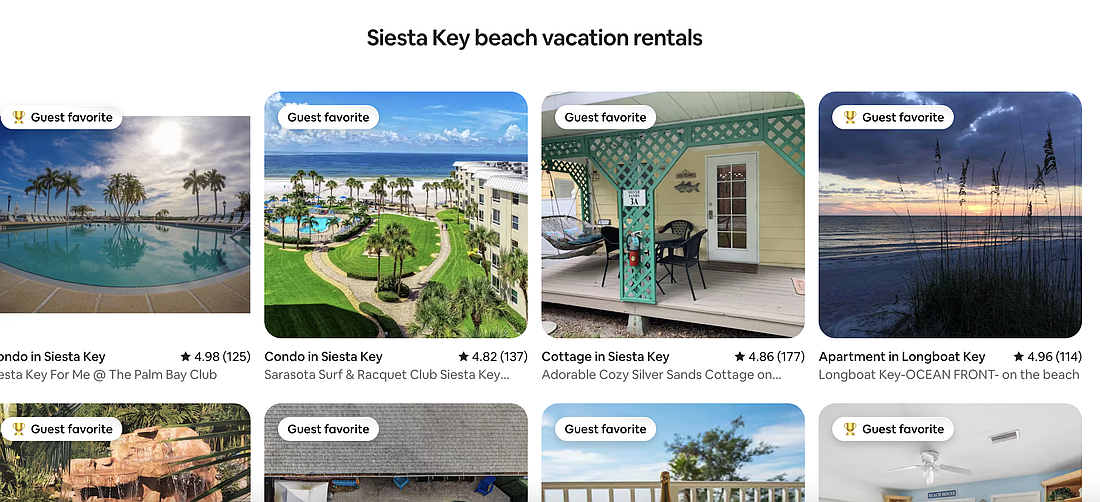
While the property debate tax soaks up much of the fiscal policy attention in Tallahassee, Airbnb is reminding local governments that the vacation home rental giant is a hefty payer of county bed taxes.
To wit: The company, according to a new policy statement it released, says it collected and remitted more than $410M in tourism taxes to local governments across Florida in 2024. More recently, from June 2024 through June 2025, the company collected and remitted $50.8 million on behalf of hosts in six of the most populous counties on the west coast of Florida. (The company didn’t have tax information for three counties in the region — Charlotte, Manatee and Pasco.)
Airbnb tends to send out notices and policy alerts on taxes in the first quarter, to match up against local governments aiming to start the year by tightening restrictions on short-term property rentals. Not surprisingly, San Francisco- Airbnb, according to a news alert, says it’s “long supported solutions that allow short-term rental platforms to collect and remit taxes on behalf of hosts — working with lawmakers on streamlined centralized tax collection laws.”
“Hosts play a vital role in boosting local economies across Florida, welcoming millions of guests, helping big cities and small communities benefit from tourism, and dispersing travel beyond traditional tourism hubs into neighborhoods and regional destinations,” the policy sheet states. “Critically, hosts and the guests they welcome support communities by generating significant tax revenue for local governments at a time when many Florida cities and counties are facing budget pressures. Cities often dedicate these tax dollars to fund critical services like police, infrastructure and libraries — or use them to promote inbound tourism through destination marketing organizations.”