- April 6, 2026

-
-
Loading
Loading
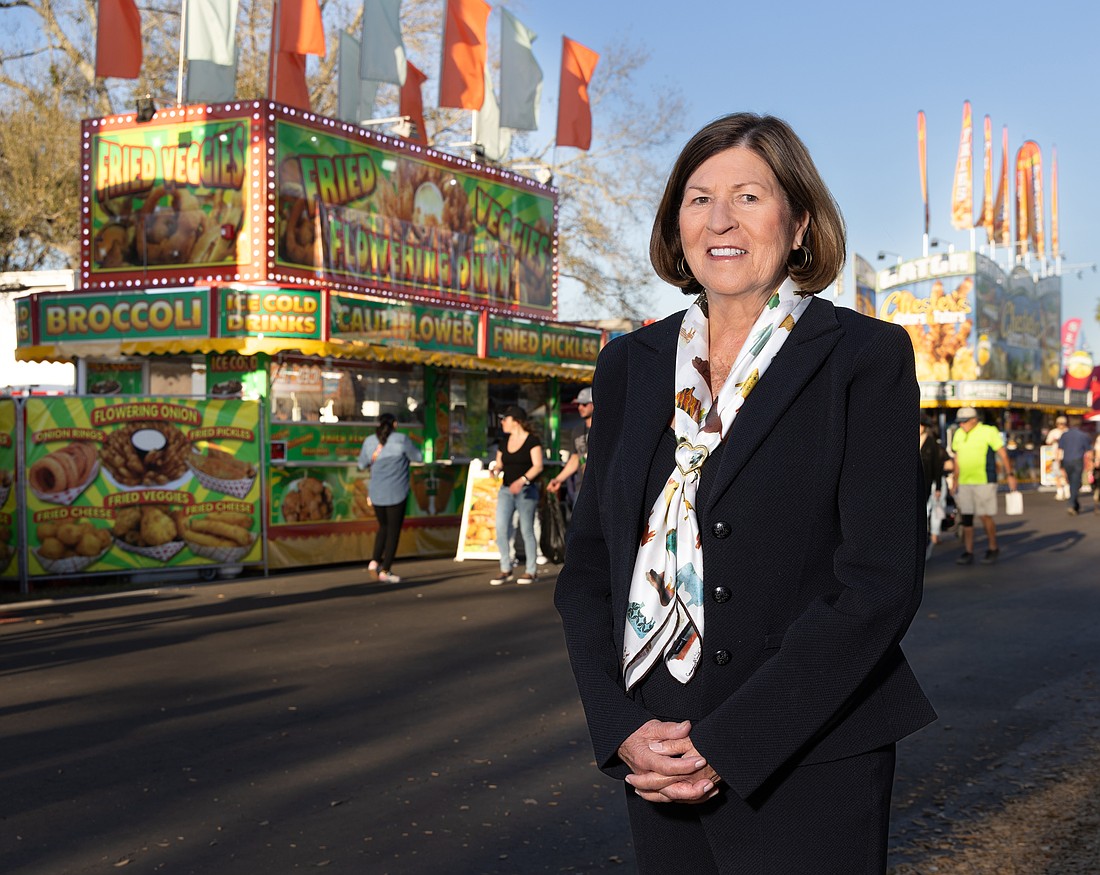
When Susanne Clemons was a girl, going to the Florida State Fair was less about produce and cattle and more about cigars and pirate invasions, she says.
From 1915 to the mid-1970s, the state fair was held in downtown Tampa — an invention of railroad tycoon Henry B. Plant intended to draw visitors to his grand hotel. The main attraction was the band of marauding pirates who paraded through the streets each year after capturing the key to the city. It wasn’t until 1977 that the fair separated from the swashbuckling downtown and moved to its current home: 335 acres in then-rural east Tampa off Interstate 4, U.S. Highway 301 and Interstate 75.
And it wasn’t until then that Clemons, a fifth-generation Floridian with deep roots in the state’s agricultural industry, began to see the fair as more than just a collection of novelty acts and fried foods.
“A lot of the old-timers like me can get nostalgic about its days downtown, but you know the roots of the fair are Florida agriculture and it’s really become a way for us to showcase our way of life and how important these industries truly are,” Clemons says.
Rooting for the agriculture industry is in Clemons’ DNA — and a key reason why she’s now in her fifth year as chairwoman of the Florida State Fair Authority, the 72-year-old says.
The work Clemons and her State Fair team of 110 employees are doing is reaching peak season of urgency, coming as the event wrapped up another 12-day event Feb. 16. That's because agriculture is a $9 billion dollar industry in Florida — one of the largest in the state — that also faces a bushel of challenges. Those range from damage incurred during weather events like freezes and hurricanes to labor shortages to pests and diseases. From livestock competitions to educational programs like its student-centric Ag-Venture, the Florida State Fair is a vital showcase for local farmers to connect directly with consumers and promote agriculture as a key economic driver for the state while also fostering career development for young people interested in joining the industry.
A fifth-generation Floridan, Clemons was born into a family of citrus farmers in Sebring and grew up growing oranges around Highlands and Hardee counties. When she fell in love with a cowboy named Pete Clemons, Susanne’s passion for citrus grew to include cattle ranching and dairy. She raised cattle with her husband at their home in Okeechobee until his death in 2018. That year Florida Commissioner of Agriculture Wilton Simpson first appointed Clemons to the Florida State Fair Authority Board.
Her devotion to state agriculture also led her to become a longtime board member for such organizations as the Okeechobee Cattlemen’s Association, Okeechobee Rodeo Committee, Florida Cattlemen’s Foundation and the Okeechobee Area Agri-Council. Clemons was also state chairperson of the USDA State Farm Service Committee from 2010 until 2016, the first woman to hold the position.
“But you know what,” Clemons says, “out of all the things I’ve done and all the boards I’ve chaired, I think I’ve enjoyed this more than anything else. You know, at the fairgrounds you’re about five minutes away from a complete and total disaster — a ride getting stuck up in the air or bad weather driving everybody away. It’s very challenging but it’s also a very dynamic workforce where everyone is totally committed to their job and it’s been a privilege to watch the fair continue to evolve and get better and better each year.”
It isn’t always an easy job, says Simpson — especially during years like this one, where a sudden cold blast plunged temperatures into the 20s in large parts of the state and sent farmers racing to protect their crops in the days leading up to Feb. 5, the first day of the fair’s 12-day run. Temperatures dipped well below freezing throughout most of the state for three nights in a row.
“You know, we really got devastated in Florida even though we don’t know the full extent of it yet,” Simpson told the Business Observer. “Early assessments would be anywhere from $500 million to $1.5 billion of damage, and we’ve got to remember that, at this time of year, we’re growing 70% to 80% of the vegetables that are sold on the eastern seaboard of the United States, so we’re the breadbasket of the country right now.”
Simpson says his office has been in touch with the White House about supplying farmers with block grant money to help compensate for some of the damage.
Still, with temperatures warming up just in time for the fair, Simpson says this year’s event is a key opportunity for farmers throughout the state to market their industry to the public in an interactive and impactful way.
“Susanne’s done an amazing job with the team showcasing agriculture from across the state,” Simpson says. “You have many, many 4H and FFA kids here and we’re so proud of the progress we’ve made even over the last three years. We went from 30,000 FFA kids to more than 65,000 statewide, so we’re seeing a lot more activity and a lot more young people getting involved in agriculture each year.”
The fair plays a huge role in educating and recruiting young people into agricultural jobs, Simpson says. The average age of a farmer in the U.S. is around 58 years old, and it will be up to younger generations to keep Florida’s agriculture alive.
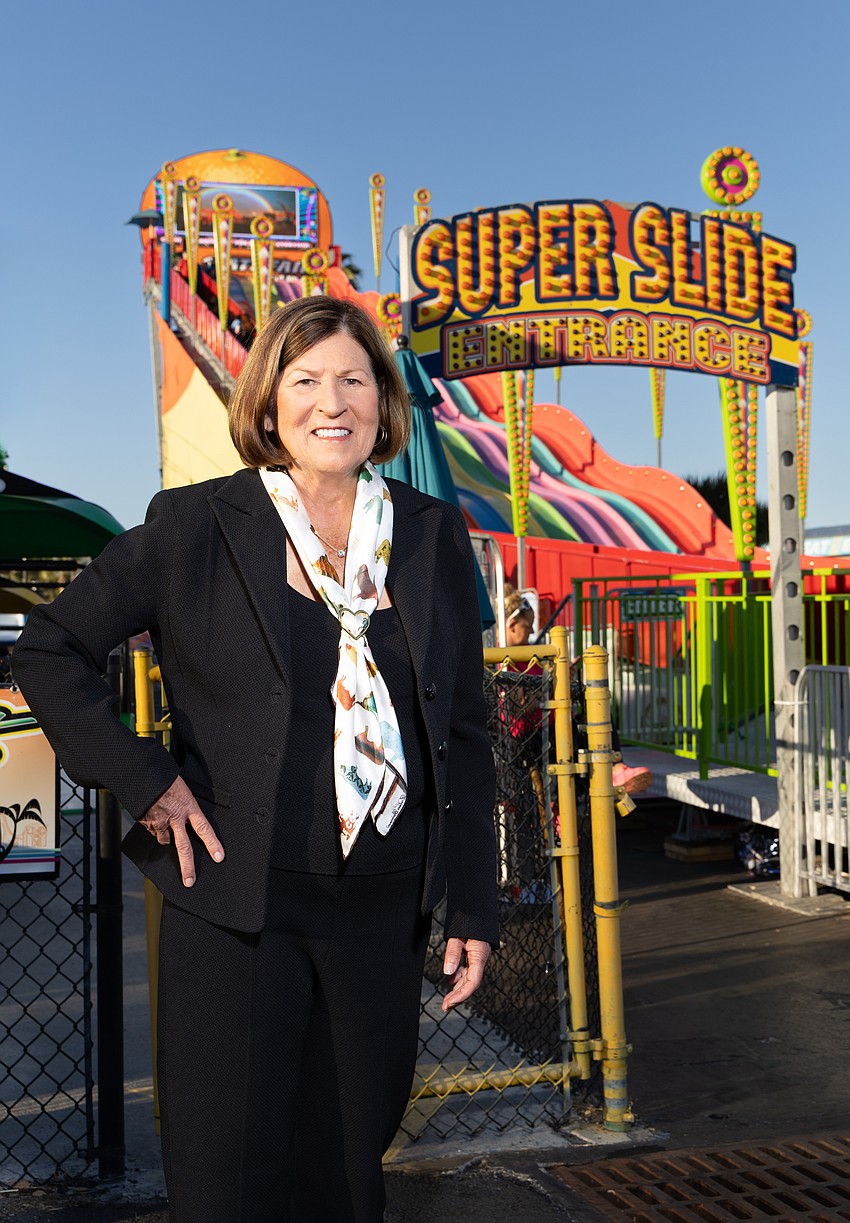
While tourism still brings the most money into the state economy, agriculture is the second largest industry in Florida, Clemons says, and the Florida State Fair is a perfect amalgam of both. Tourism brought in roughly $133.6 billion to the state of Florida in 2024, while agriculture products brought in roughly $9 billion. When including the broader food, agriculture and natural resources industries, the total economic impact exceeds $100 billion to $137 billion annually, according to the Florida Department of Agriculture.
“Every year, no matter the age, the biggest question I get at the fair is ‘Where are the animals?’” Clemons says. “You would be amazed at the number of people who have never held a chicken or never seen a pig close up. This is their first introduction to the many different types of agriculture we have in Florida and also an opportunity for them to really think about where their food comes from and how important it is to make sure those industries stay protected. Society now is so many generations removed from the farm that they don't even really understand the challenges of farming anymore.”
The fair, too, is a business worth saving, she says. A quasi-governmental entity, the fair doesn’t have a recurring line item in the state budget, Clemons says — “we have to pay our own way.” So far, the organization has managed to do just that, with more than 250 non-fair events held at the Florida State Fairgrounds each year, including concerts at the MIDFLORIDA Amphitheater and the largest motorhome show in the U.S.
The fair has had its off years, she says, particularly during the pandemic or years with bad weather. But attendance has increased in recent years, to an estimated 300,000 people who attended the fair in 2025. This year, with a patriotic theme in celebration of America’s 250th birthday, attendance is expected to exceed 400,000.
“It’s constant maintenance, constant work," Clemons says, "and any time we make money we reinvest it back into our facility, but I have to say it’s never looked better than it does today."