- April 13, 2026

-
-
Loading
Loading
Hospital: Sarasota Memorial
Size: 897
Budget: $2..23 billion operating revenue, 2025
Technology: Early lung cancer detection
Early detection is the Holy Grail of most cancer treatments, even more so in lung cancer, which has the highest mortality rates of all cancers, for both men and women.
Another challenge? It’s also one of the hardest cancers to diagnose, say SMH physicians and clinicians, with symptoms not appearing until the malignancy has progressed and the lungs being notoriously difficult to biopsy.
SMH officials saw an opportunity there, in pairing up clinicians with technology. And high volume: SMH performs more than 430,000 radiology exams annually.
“We realized we were missing a lot of opportunities to diagnose lung cancer,” says Amie Miller, program coordinator for SMH’s lung cancer screening and diagnosis program. Miller started with the program in 2015, tasked with developing and growing it. “We were missing the boat on this. There could be people walking around the streets of Sarasota with lung cancer and they didn’t even know it.”
SMH brought in Eon, a Denver medtech firm that created an “early detection and longitudinal care platform” the company says is powered “by condition-specific clinical AI.”
The Eon system flags the at-risk patients in real time, SMH says in a report, and that kicks off a multi-step care process.
The system has shown some startling results: Before SMH began utilizing the Eon system, one or two incidental reports were sent to SMH’s lung cancer team per week. With the system in place, 170 incidental reports are sent each week, the SMH report shows. With the expanded volume, SMH created a dedicated lung nodule clinic to analyze thousands of additional at-risk patients in timely evaluation — patients who might otherwise have gone undetected for some time.
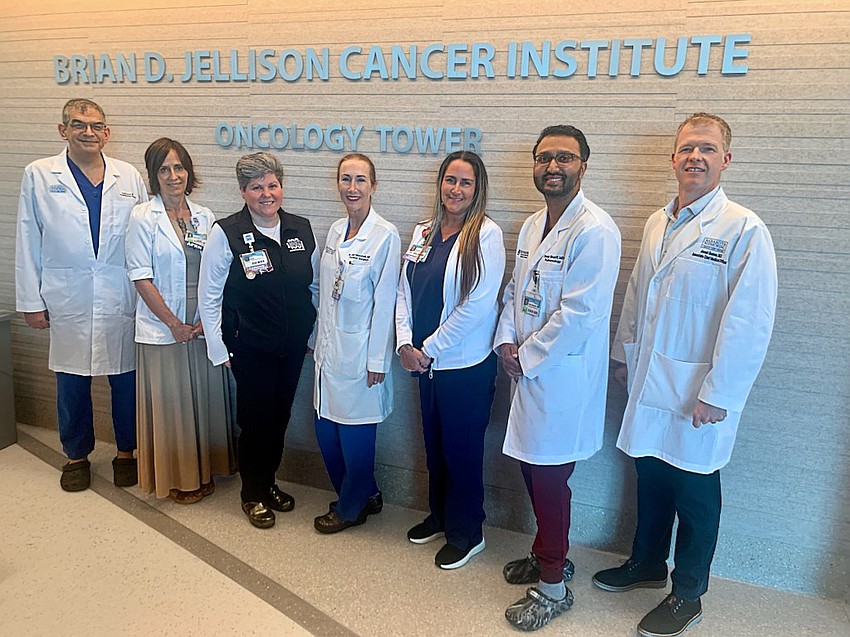
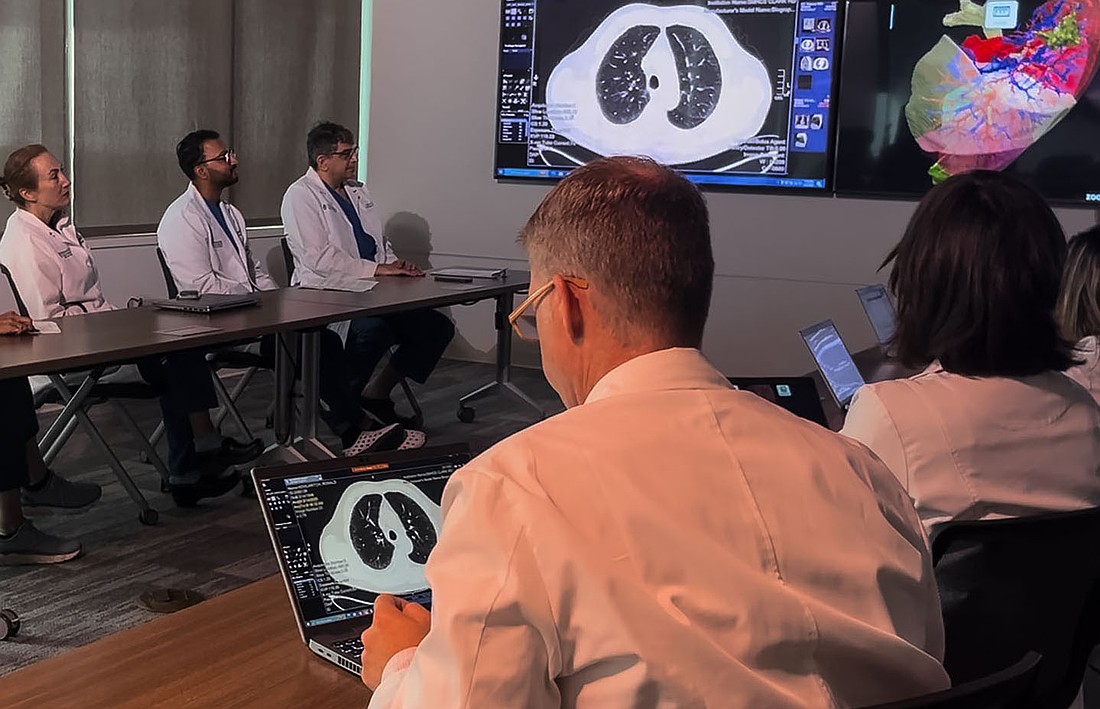
That clinic, says SMH thoracic oncology surgeon Dr. Blair Marshall, includes doctors and clinicians from a wide array of specialties who meet every Tuesday to go over cases that need enhanced attention, quickly. “We like to minimize unnecessary steps and unnecessary tests…so when we have a multidisciplinary team reviewing everything,” she says, “it’s guidelines and evidence driven.”
The SMH lung cancer team goes beyond early detection to actual results. The health system reports that between 2022 and 2025, it enrolled more than 9,000 patients across screening and incidental pathways and diagnosed 147 cancers, 144 of which were lung cancer.
Those incidental findings, combined with comprehensive community education and outreach, has allowed SMH’s Lung Cancer Screening & Incidental Lung Nodule Program to diagnose 67% of its lung cancer patients in the most treatable Stage I and II phases. Those results are 25.8% better than the state for early detection of lung cancer and 28% over the national average.