- January 31, 2026
Loading
The Harry Chapin Food Bank, the largest hunger-relief organization in Southwest Florida, is building a state-of-the art 110,175-square-foot warehouse and distribution center at 5200 Martin Luther King Jr. Blvd. in Fort Myers.
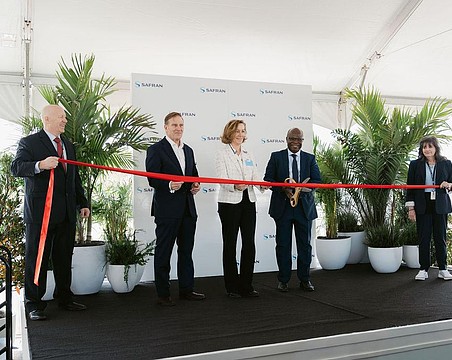
More than 125 community leaders, donors, business partners and elected officials gathered Nov. 19 for an announcement and groundbreaking for the project, named Hunger Action Center.
Officials with the nonprofit, in a statement, say the $50 million project is the largest in the organization’s 42-year history and is designed to help “relieve Southwest Florida’s deepening hunger crisis.”
The event coincided with the nonprofit’s transition from a private to public phase of its $30 million capital campaign, Feeding the Future, which is funding the initiative. The Food Bank is relying on public support to conclude the capital campaign; the Richard M. Schulze Family Foundation and Lipman Family Farms have made lead gifts, the organization says.
Site clearing for the Hunger Action Center began this summer and construction is expected to run through fall 2026. Naples-based DeAngelis Diamond is the general contractor.

The Fort Myers Hunger Action Center will increase food distribution capabilities from 45 million pounds of food to 80 million pounds and will complement the organization’s existing distribution center in Naples, the release states. The center’s features will include technological enhancements, including inventory tracking systems; 10 truck bays for delivery and distribution; a food pantry for people to shop for fresh produce and groceries; a community meeting space; larger, climate-controlled workspaces for volunteers and staff; and additional administrative space to support growth and leadership opportunities. It is expected to be completed by winter 2026.
The Harry Chapin Food Bank distributed 39.5 million pounds of food — the equivalent of 32 million meals — at food banks and mobile pantries across Charlotte, Collier, Glades, Hendry and Lee counties in 2024. The need is projected to increase to 50 million pounds by 2030 and 100 million pounds by 2050.