Reports: Small industrial properties outpace bigger facilities in region


  • By Mark Gordon
  • | 9:20 a.m. November 28, 2025
  • | 1 Free Article Remaining!
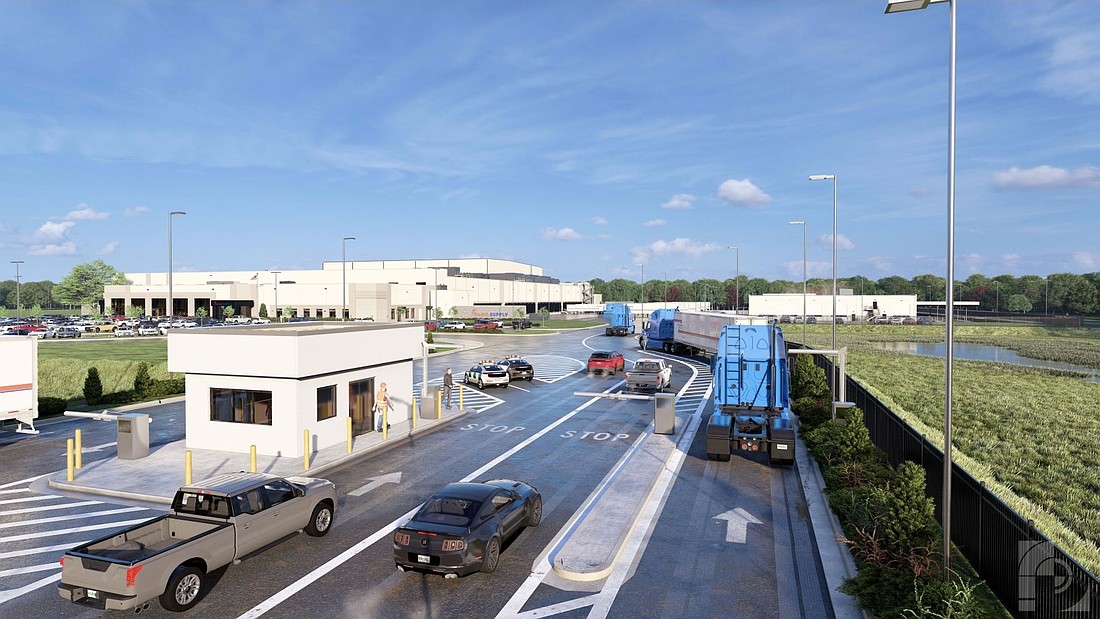
The Chick-fil-A facility will be more than 240,000 square feet.
Courtesy image
  • Tampa Bay-Lakeland
  • Share

Maybe small, when it comes to warehouses and industrial properties, isn’t too bad after all.
Big facilities, in leases and sales, normally grab the headlines and attention. Consider the state of Florida’s recent announcement that Chick-fil-A is building a $150 million supply and distribution center in Polk County. 

Yet several new commercial real estate reports say small facilities, around 10,000 square feet or smaller, in Tampa Bay and the I-4 corridor are hot. Tampa, to cite one example, was listed by CoStar in a Nov. 21 report as one of six cities nationally where the “small bay industrial sector is thriving,” based on leasing momentum rent gains. Richmond, Virginia, Nashville, Columbus, Ohio, Salt Lake City and Miami are the others. 

Also, a third quarter industrial report for Tampa from commercial real estate firm Matthews found that “while leasing for large industrial space has cooled compared to previous years, smaller users remain active, supporting moderate rent growth.”

On a national scale, vacancy rates for large scale industrial properties has been climbing, and is now around 7.4%, reports Lee & Associates in a Nov. 12 report, “Small Bays, Big Opportunity: Industrial Real Estate’s Next Power Play.” That’s nearly double the small-bay vacancy rates of about 4%. And small-bay industrial rents have increased 40% since 2020, the report states, based on Corebridge Financial data.

“That growth is no accident. It’s powered by reshoring, supply chain decentralization and growing demand for local, last-mile logistics,” writes Lee & Associates. “These smaller-profile operators are helping leasing activity remain steady, even as big-box absorption slows.”

The national Lee & Associates report cites the I-4 Corridor, including Polk County, as a spot where “supply constraints and construction costs have driven small bay rents up as much as 100%, versus 20-30% on larger properties.”

The report says the market metrics make small bay buildings advantageous for landlords, which, in Tampa and the I-4 corridor, has attracted interest from local and regional investors seeking off-market opportunities. “Buyers increasingly pursue off-market opportunities to avoid bidding wars, resulting in continually rising prices and rental rates, particularly for well-configured, shallow-bay buildings,” the report states.


author

Mark Gordon

Mark Gordon is the managing editor of the Business Observer. He has worked for the Business Observer since 2005. He previously worked for newspapers and magazines in upstate New York, suburban Philadelphia and Jacksonville.

Latest News

Sponsored Content