Report: Tariffs to add $10K to cost of Florida house, $7K to cars


  • By Mark Gordon
  • | 8:20 a.m. July 11, 2025
  • | 1 Free Article Remaining!
Florida TaxWatch officials say that "while the tariffs aim to protect domestic industries and boost capital investment in the long-term, they pose significant risks to the broader economy in the short-term."
  • Florida
  • Share

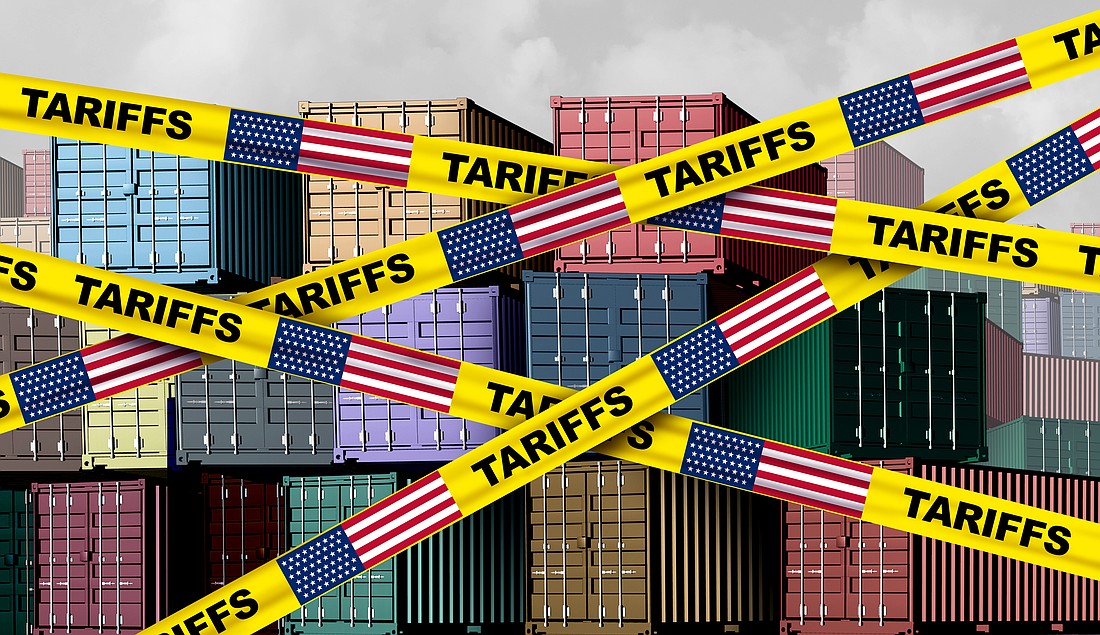
The latest round of tariff talk from the Trump Administration is causing more agitation among Florida fiscal analysts, with worries about price increases from cars to construction and fruit to fish.


Florida TaxWatch, a nonprofit government watchdog and taxpayer research institute, looked at the latest tariffs and concluded that the intent might be good, but the results less so. “While the tariffs aim to protect domestic industries and boost capital investment in the long-term, they pose significant risks to the broader economy in the short-term,” states the report, entitled “The Potential Impacts of New Tariffs on Florida’s Economy.”

“The new tariffs,” the report adds, “will likely exert pressure on Florida’s economy as consumers face higher prices, small businesses encounter increased operational costs, unemployment rises and overall economic growth slows down.”

These are the top 10 import industries in Florida.
Courtesy image

Florida imported $117 billion worth of goods in 2024, good for No. 10 among all states, Florida TaxWatch states. The largest portion of imports are made in the vehicle, electronic and industrial industries. In January, Florida exported goods worth $6.1 billion and imported goods worth around $10 billion. Countries like Canada, Brazil, Mexico and China have been long-term partners for Florida in both import and export activities, the organization states, adding that “after the U.S. announced its new tariffs, Canada and China have announced reciprocal tariffs which will negatively impact Florida’s economy.”

Specific impacts on Florida businesses, the report found, include: 

  • Construction: According to a study by the National Association of Home Builders, 75% of the imported lumber used for construction comes from Canada, and a crucial component of drywall — gypsum — comes from Mexico. When these materials get hit with tariffs, costs in the construction industry are expected to increase by more than $3 billion, Florida TaxWatch predicts in the report. “Developers in South Florida are scrambling to lock in costs before the tariffs hit and find new alternatives for raw materials,” the report adds.
  • Car dealerships: Florida is home to more than 850 franchised car dealerships but does not have even one large-scale automobile manufacturing plant. With a 25% tariff (if suspension is lifted), the cost of one car for the domestic producers is expected to increase by at least 15%, the report states. 
  • Citrus: The state’s “already struggling citrus industry will also bear the effects of the new tariffs,” the report says. “A large portion of Florida’s orange juice production is exported to Canada; however, the reciprocal tariffs Canada placed on U.S. imports are likely to negatively impact Florida’s citrus industry. This can reduce the demand for Florida’s orange juice outside of the U.S. and affect state revenue.”

The report found that specific impacts on Florida consumers, meanwhile, include:

  • Big purchases: Higher construction costs can increase the price of a typical house built by Florida developers by $10,000, the report states. An increase in the cost of production in the automobile industry will lead to an increase in the price of a car by at least $6,000-$7,000, the analysis adds. 
  • Grocery: Florida ranks No. 5 among the U.S. in grocery cost — amounting to an average of $287.27 per week. Fresh produce and fruits and nuts is one of the top 10 industries for Florida imports. “An average Floridian’s weekly grocery bill is expected to increase by 10 to 15% as a result of imposed tariffs,” the report says.

The price hikes and uncertainty are a bad combination, say Florida TaxWatch officials.

“The new tariffs will likely exert pressure on Florida’s economy as consumers face higher prices for some products, small businesses encounter increased operational costs and overall economic growth slows slightly,” Florida TaxWatch Executive Vice President and General Counsel Jeff Kottkamp says in the report. “As this ever-evolving situation develops, it will be important to monitor these trends to assess the full impact on Florida’s economic landscape.”


author

Mark Gordon

Mark Gordon is the managing editor of the Business Observer. He has worked for the Business Observer since 2005. He previously worked for newspapers and magazines in upstate New York, suburban Philadelphia and Jacksonville.

Latest News

Sponsored Content