Opinion

2030 census gives Floridians opportunity to fix costly 2020 miscount

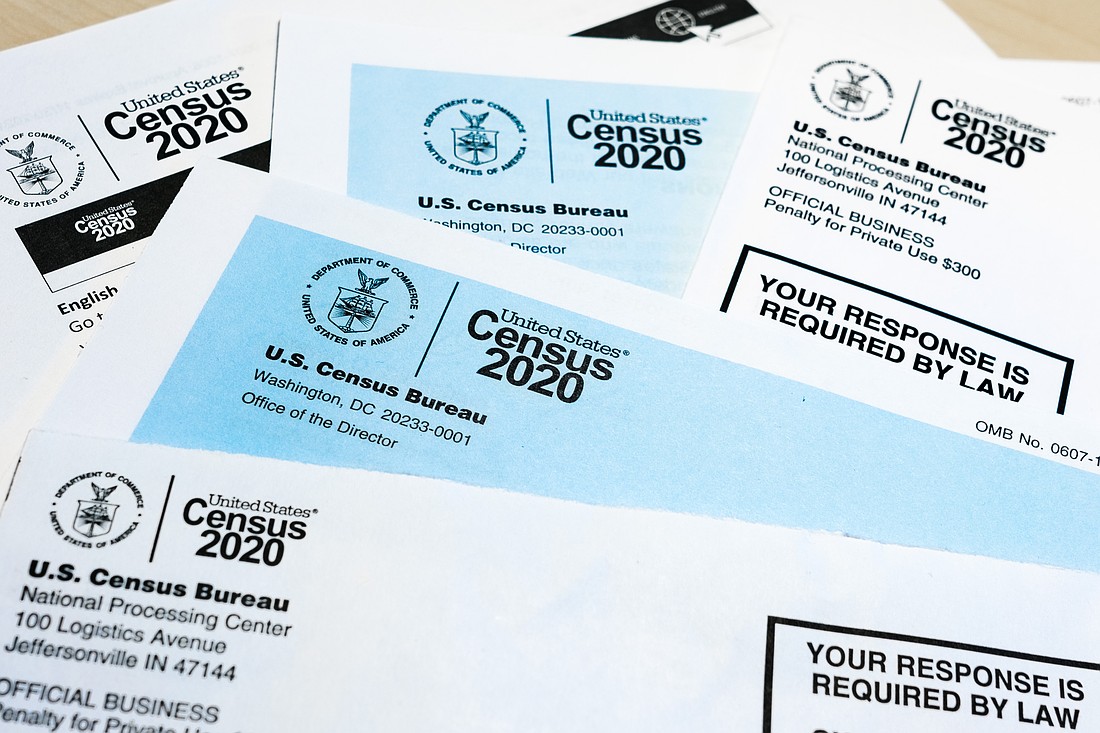
In the 2020 census, officials say the organization undercounted Florida by 750,000 people. That cost the Sunshine State more than $11.4 billion.


  • By
  • | 5:00 a.m. December 2, 2025
  • | 2 Free Articles Remaining!
The 2030 census will help shape Florida through at least 2040.
Photo by Sundry Photography
  • Opinion
  • Share

Florida is growing faster than almost any other state. With a population of more than 23.4 million, communities are expanding, schools are filling and roadways are busier than ever. Accurate data about who lives in the state shapes planning, investment and the resources Florida receives from the federal government. Without a complete count, communities lose out on federal funding and opportunities to invest in residents and long-term growth. 
Ashley Dietz
Ashley Dietz
Courtesy image

A new Florida Chamber Foundation study, informed by insights from the Florida Philanthropic Network and the Florida Counts project, reveals the county-by-county impact on federal funding due to the 2020 census undercount. Incredibly, the U.S. Census Bureau reports that the 2020 census missed about 750,000 Floridians. That undercount cost Florida more than $11.4 billion in federal funding that could have been reinvested in schools, health care, infrastructure and community programs. These are dollars Floridians already paid in taxes that did not return to support their communities. For philanthropy and local organizations, these funds represent opportunities to build stronger programs, improve services and make strategic community investments where they are most needed. 

The study provides a county-by-county analysis, showing how each area of the state was affected, and provides initial guidance for focusing efforts to get the 2030 census right. Communities of every size missed opportunities to address local needs and experienced funding gaps philanthropy is unable to fill. 

The impact is more than numbers on a page. Federal funding decisions also tie directly into Opportunity Zones — the most vulnerable, underserved areas, often impacting young children, minorities, rural residents and renters — which rely on accurate population counts to attract private investment and support economic growth and prosperity for its residents. An undercount limits the resources available to maximize these incentives and can slow down development and help where it is most needed. Further, an accurate 2030 census count ensures Florida leaders can potentially identify new Opportunity Zones to advance FloridaCommerce’s Opportunity Zone Program, designed to encourage investors, businesses, developers, financial institutions and other investors to reinvest capital gains into distressed census tracts to foster job creation. 

Transportation planning is another area affected by the census undercount. Funding for roads, public transit and infrastructure improvements depends on accurate population data. When people are not counted, transportation projects may be underfunded, leading to congestion, safety challenges and delays in vital upgrades. With Florida adding 2.5 million new residents and 2.1 million new drivers by 2030, the stakes are even higher for accurate data in the 2030 census.

Keith Richard
Keith Richard
Courtesy image

Florida has a chance to do better in 2030. State and local leaders, businesses, philanthropy and community organizations must work together now to reach every resident. Outreach, partnerships with trusted organizations and targeted engagement will help make sure every Floridian is included. Accurate counting is not just a government exercise. It is a foundation for fairness, investment and opportunity in communities across Florida. 

Learn how much money your county left on the table and strategies for achieving an accurate 2030 census. By preparing now, Florida can make sure federal funding not only flows to schools, hospitals, roads, public safety and community programs, but also efforts to grow and strengthen neighborhoods in Opportunity Zones across Florida.

The 2030 census will shape Florida for the next decade. Making certain every Floridian is counted is an investment in opportunity, growing and sustaining our communities, and the future of Florida. 


Keith Richard is vice president of research for the Florida Chamber Foundation and Ashley Dietz is president and CEO of the Tampa-based Florida Philanthropic Network


Latest News

Sponsored Content