- December 17, 2025
Loading
The survival fight will wage on at Sarasota-based Bank of Commerce, recognized by regulators as one of the more troubled Gulf Coast-based community banks.
The bank's latest move is a new stock offering it sent out Aug. 24 to existing shareholders. The bank seeks up to $15 million in an effort to comply with a consent order regulators issued in March to raise capital and pare down sour loans.
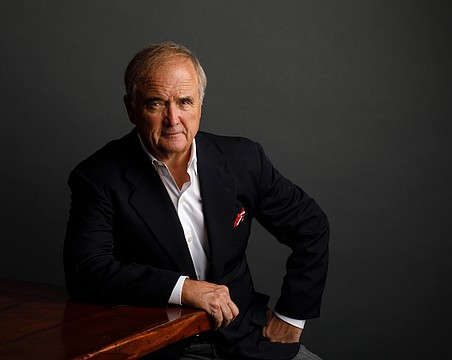
The bank's survival effort, however, will continue largely without Sarasota architect and prominent businessman Don Lawson, a longtime member of the separate boards that oversee the bank and the bank holding company. Lawson, saying he had to spend more time with his business, resigned his board positions Aug. 12. He will now serve in an advisory role.
Bank of Commerce, with $272 million in assets as of June 30, has sought a capital infusion for at least a year. It previously hired New York investment firm Sandler O'Neil to lead the search.
Now the bank, founded in 2000, will go straight to shareholders. In a letter to the shareholders, bank President and CEO Charlie Murphy says he's aware the banking industry places a premium on capital. So he wants to make sure the bank's “capital ratios are consistent with prevailing practices.”
Still, finding shareholders who will invest more in the bank could be tough, given the difficulties the bank has faced and could continue to face. “I'm fairly optimistic about it,” Murphy tells Coffee Talk, “but it's too early to tell.”
Prospective investors will see a bank that has made some strides, though the success might be too slow for regulators. For example, three key capital ratios have improved in 2011: The bank's core capital ratio is 4.16% as of June 30, up from 3.67% Dec. 30; its tier 1 risk-based capital ratio is 5.45%, up from 5.15%; and its total risk-based capital ratio is 9.14%, up from 8.61%.
Those ratios are good enough to place the bank in adequately capitalized standing under federal banking guidelines. But the March 30 regulatory order from the Federal Deposit Insurance Corp. and the state Office of Financial Regulation requires higher capital ratios. That order states that the bank had until May 30 to raise its tier 1 capital to at least 8% and its total risk-based capital to 12%.