- April 13, 2026

-
-
Loading
Loading
Hospital: Moffitt Cancer Center, Tampa
Size: 346 beds
Budget: $2.89 billion in annual operating expenses; $3.02 billion in annual operating revenue
Technology: Predictive AI for cancer cachexia/severe wasting syndrome
Cancer is a difficult disease for many reasons, but perhaps chief among them is that each case comes with its own set of complications.
For a percentage of patients, their cancer diagnosis may also come with a diagnosis of cancer cachexia, what doctors refer to as a wasting syndrome that can cause loss of muscle mass and render treatment more difficult, even halting it altogether, on account of the patient’s physical condition and toxicity levels. Cancer patients with cancer cachexia generally have a higher mortality rate — data from the Cleveland Clinic indicates roughly 50% of cancer patients have cachexia and that it is the cause of death in 25% of cancer cases.
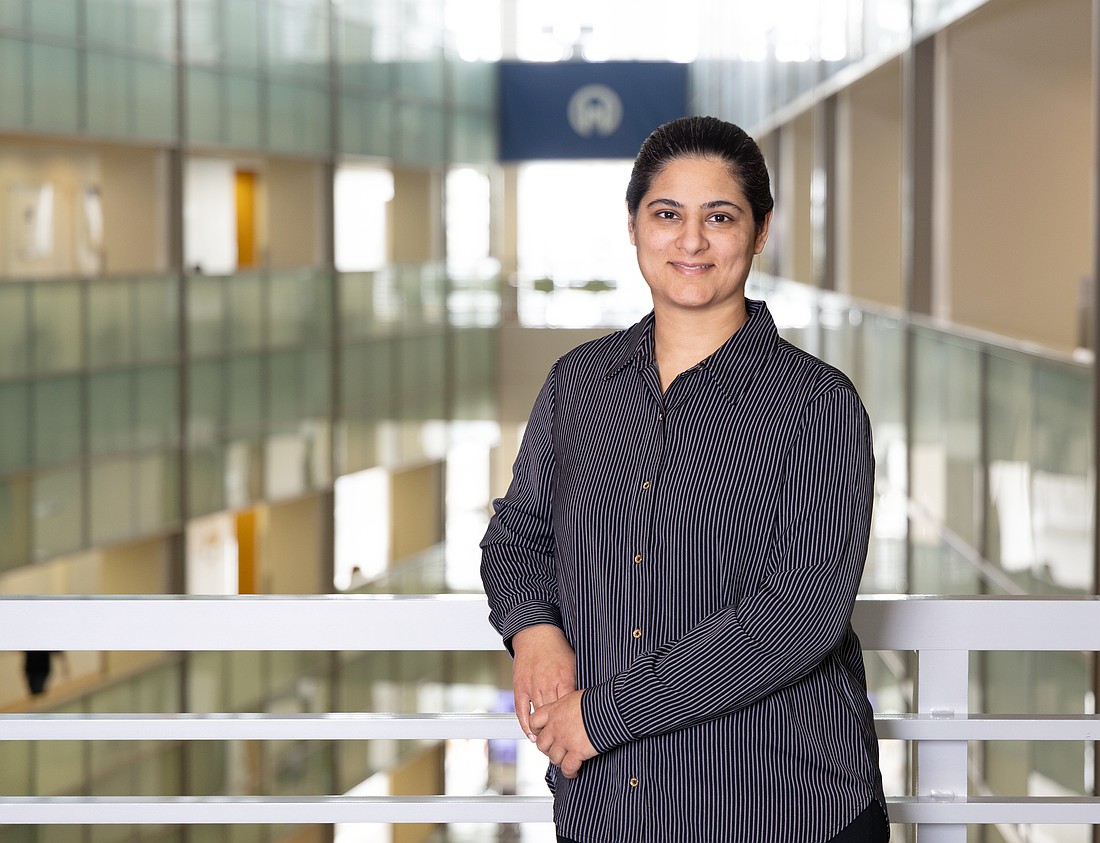
But with new technology Moffitt is currently pioneering, doctors and researchers hope cancer cachexia can be identified sooner and more accurately, creating better outcomes for patients. At later stages, it is “impossible to reverse” the condition, says Sabeen Ahmed, a machine learning engineer at Moffitt who heads the hospital’s research of this tool. With early identification comes more hope.
Part of the reason researchers decided to tackle this topic is because there was little standardized diagnosis of cachexia and, by the time patients were diagnosed, it was often too late to really treat. In traditional medical literature, cancer cachexia is generally diagnosed by a standard indicator — a 5% weight loss within six months.
“That was a very, very basic indicator, but that’s not really an indicator of cachexia, and that cannot be used early on,” Ahmed says. “For some of these cancers, the patient may be cachetic when they’re actually coming to the clinic and being diagnosed with cancer.”
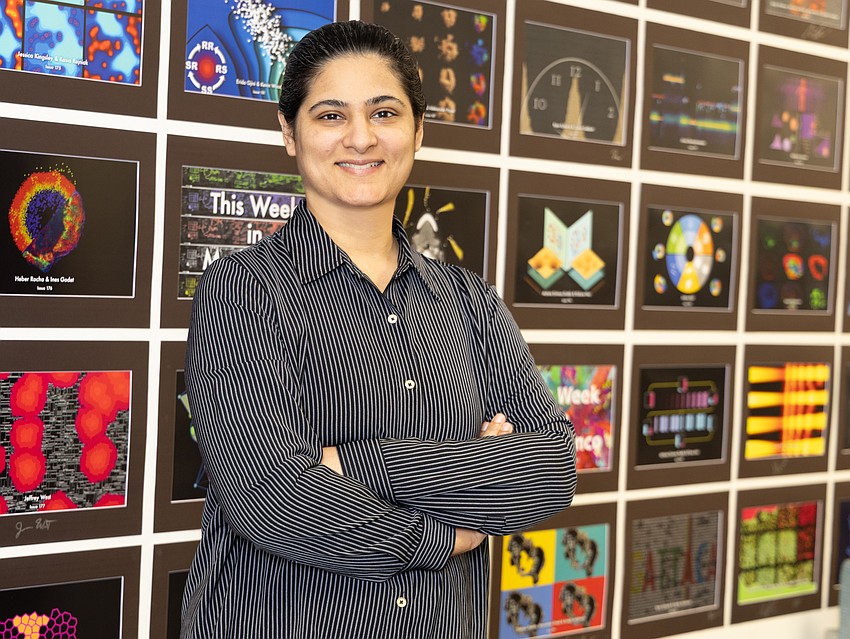
Ahmed has been working with other researchers for more than a year to train an artificial intelligence model that can predict cachexia. The model looks at a patient’s biomarkers, their medical imaging, their blood tests, their muscular performance and their physical condition. Evaluating across a variety of factors, it is able to assign a score as to how likely the patient is to actually develop cachexia.
For current patients, that process is largely manual, requiring physicians to pore over paperwork and calculate a cachexia score from what they see in front of them. But Moffitt’s prospective AI tool aims to automate it entirely, training a model based on previous cachexia diagnoses and the profiles of those patients to understand what factors make a patient a likely candidate for the disease.
Moffitt’s tool is also designed primarily for prediction rather than diagnosis, Ahmed says, in part because of how that might help the patient.
“A diagnosis would begin when cachexia is already there — the syndrome has taken place and it’s been triggered,” she says. “So we just want to predict before that trigger, so all these interventions can help more to prevent the onset of cachexia rather than trying to stop it.”
It will likely be a few years before Moffitt is able to use this tool in a clinical setting. Ahmed’s team has been testing the model on a specific type of cancer within pancreatic cancer. Once the model is sufficiently trained on other kinds of cancer, Moffitt will reach the stage in which it can use data from other hospitals to train the model. In a concurrent process, the model will also have to go through approval from the U.S. Food and Drug Administration before it can actually be used in a clinical setting.
Despite the long gap between development and usage, Ahmed sees improving the patient’s quality of life as a clear motivation, because cachexia is a disease that makes even the most basic of behaviors challenging.
“That becomes very frustrating for the patient as well as their caregivers, even at home,” she says. “So we basically want to help patients maintain their muscles and their muscular health while they are going through this treatment to help protect their quality of life as well as their treatment.”