- April 13, 2026

-
-
Loading
Loading
Hospital: Naples Comprehensive Health
Size: 703 beds
Budget: $1 billion
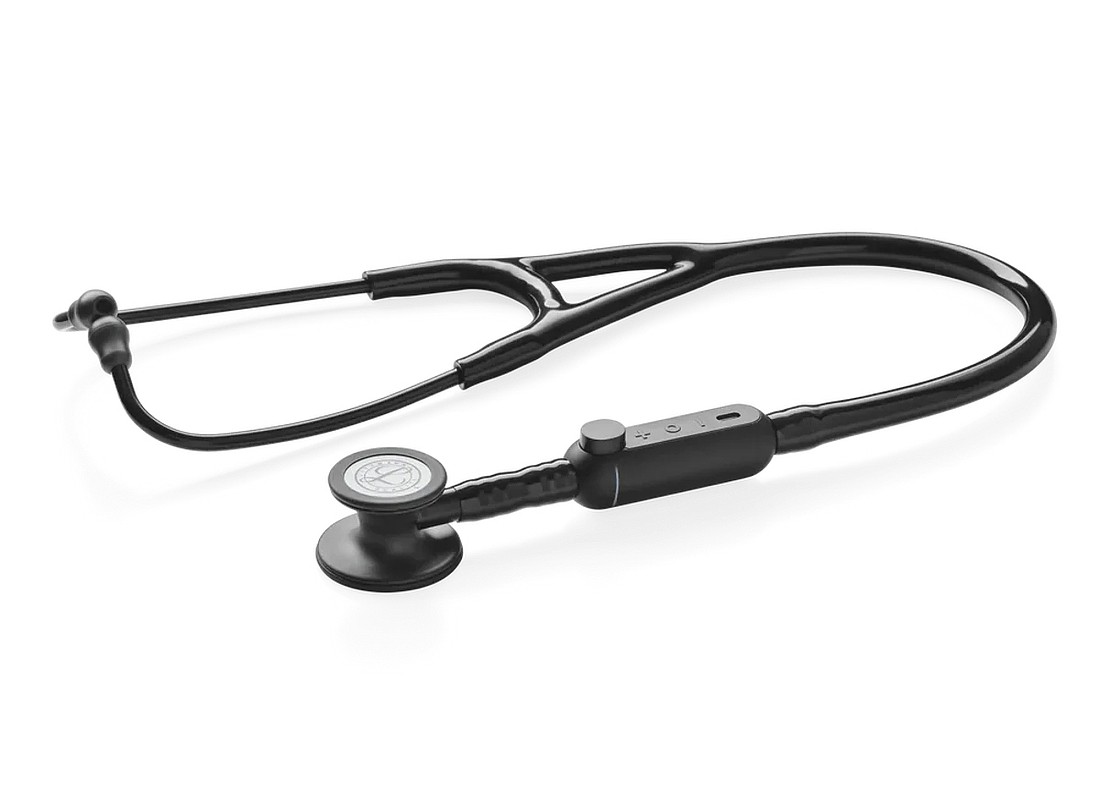
Technology: AI-enabled digital stethoscope
In 2024, Naples Comprehensive Health (NCH) became the first health care system in the U.S. to use the SENSORA cardiac disease detection platform by Eko Health. When NCH Medical Group primary care physicians listen to a patient’s heart with an AI-enabled Eko digital stethoscope, the SENSORA platform collects and analyzes data in real time to help detect structural heart murmurs indicative of valvular heart disease (VHD).
“The technology works really well for primary care physicians, because our ears are just not as good as cardiologists’ at detecting valvular heart disease,” says Dr. Bryan Murphey, chief medical director for the NCH Medical Group.
In a pilot study of 3,300 patients done in 2023 at NCH, the SENSORA platform flagged 796 patients for further evaluation for VHD. Of those patients, 267 were sent for an echocardiogram, and 93 of those patients were identified to have moderate to severe VHD. “We were able to detect 93 patients not known to have moderate to severe structural heart disease,” says Murphey.
Older adults have about a one in 10 chance of developing clinically significant VHD, but it can often go undetected. “Patients with valvular heart disease can go into heart failure,” says Murphey. “And one of the ways it presents is sudden death.”
Identifying the condition early can significantly improve and lengthen patients’ lives. “The patients can have better quality of life, better physicality, and less shortness of breath by replacing and repairing valves,” adds Murphey.
Since NCH began using the SENSORA platform, the AI-enabled technology has become more user-friendly. “Initially we had to acquire sounds from four locations on a patient’s chest, then it went down to three locations, and now we have it at one location on a patient’s chest,” says Murphey. Technology to detect atrial fibrillation has also been added to the digital stethoscope.
There’s currently no reimbursement code for this technology, which means NCH can’t bill insurance companies for its use. Philanthropic support has helped NCH bring the technology into its health care system and cover costs for patients.
“I know Eko is working very diligently to have an approved code to use this technology because of the benefits to patients,” says Murphey. “It’s great technology that’s noninvasive and can be done in a primary care office. It’s painless and noninvasive for the patients, and it provides additional new information we can obtain in the primary care setting."