- April 13, 2026

-
-
Loading
Loading
Hospital: Naples Comprehensive Health
Size: 703 beds
Budget: $1 billion
Technology: GI Genius
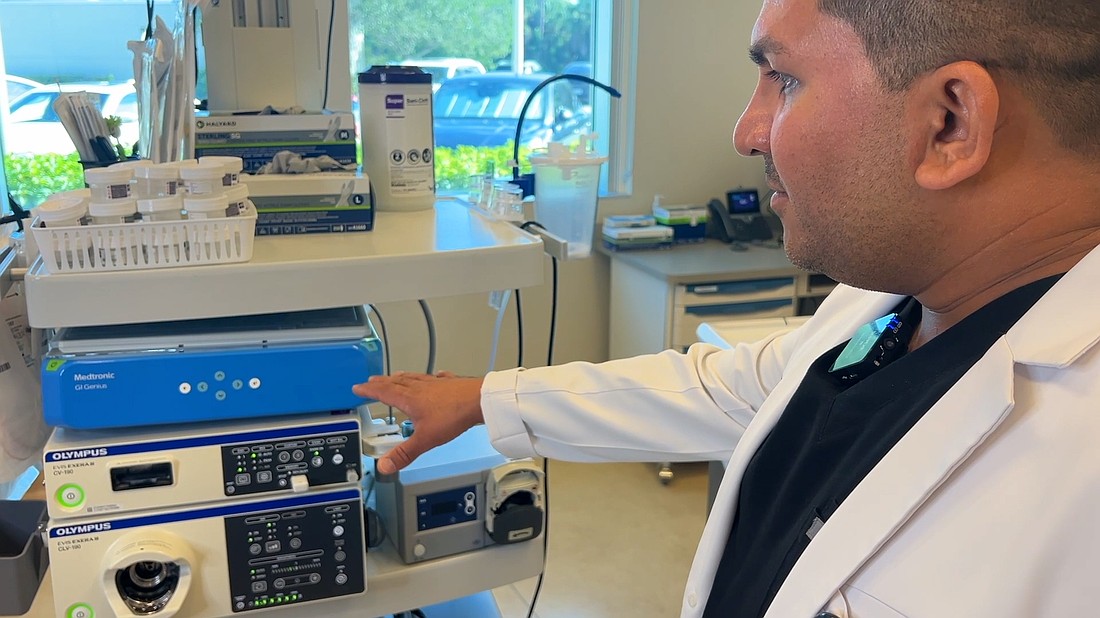
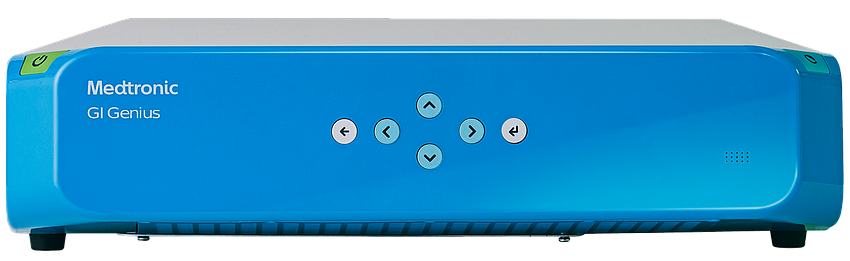
Naples Comprehensive Health began utilizing Medtronic’s GI Genius intelligent endoscopy module soon after it gained FDA approval in 2021. The AI-based image-recognition software runs seamlessly in the background during colonoscopies, examining every image frame by frame in search of abnormal lesions or patterns in the lining of the colon that might be missed by the human eye.
“It brings our attention to it by circling it or drawing a little box around it,” says Dr. Kunal Suryawala, a gastroenterologist at NCH. “So then we can look closer in that area to determine if it’s a polyp or area of concern and if it’s something that we need to biopsy or resect.
“The purpose of doing a colonoscopy is to decrease the risk for developing colon cancer, and one of the ways we do that is by finding polyps,” he continues. “Not all polyps turn into cancer. But if you have precancerous lesions, we want to identify them and resect them as soon as we see them to decrease the risk of that polyp ever turning into a malignancy down the road.”
Use of the software is up to provider discretion, but it’s incorporated into most colonoscopies at NCH. “We’ve done thousands and thousands of cases using GI Genius,” says Suryawala.
NCH doesn’t have its own data yet on the impact of the technology. But Medtronic says GI Genius has been shown to increase adenoma (or precancerous polyp) detection rates (ADR) by up to 14.4%, and that each 1% increase in ADR decreases the risk of interval colorectal cancer (cancer diagnosed within five years after a negative colonoscopy) by 3%.
“It’s not meant to replace an endoscopist or gastroenterologist,” says Suryawala. “But it really improves the precision and the vigilance at which we’re doing these exams. It is extremely efficient.”
Nobody, of course, is excited about getting a colonoscopy. But a tool like GI Genius makes the important screening even more impactful than it already is at preventing and finding cancer. “The main purpose of it is to improve the quality of the exam, and it definitely improves the quality of the exam, because it helps us identify hard-to-see lesions and small lesions that may otherwise have been missed,” says Suryawala. “GI Genius definitely improves the quality of care, and in that sense it reduces the risk of someone developing colon cancer.”