- April 13, 2026

-
-
Loading
Loading
Health care system: BayCare
Size: 4,003 beds across 16 hospitals
Budget: $7 billion in revenue in 2025
Technology: ShortCut
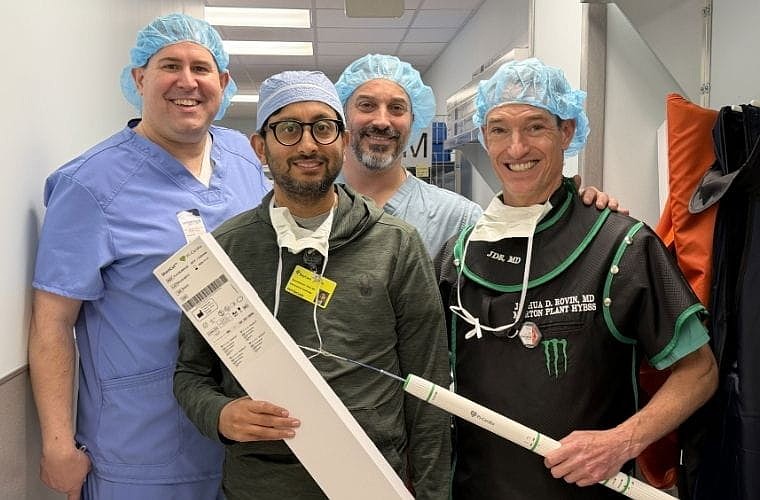
A group of doctors working at Morton Plant Hospital in Clearwater are the first in the state to use a just-approved safety device during a heart valve procedure.
The device is called ShortCut and it is designed to safely and precisely cut the sides or “leaflets” of worn-out heart valves before the new, replacement valves are implanted, say officials with BayCare, the health care system that operates Morton Plant. (Leaflets, in a healthy heart, open wide to allow blood to flow through and then come tightly together to prevent backflow, according to The Cleveland Clinic.)
ShortCut, BayCare says, helps protect blood flow and reduce complications.
The ShortCut is used in a procedure called a Transcatheter Aortic Valve Replacement. TAVR, as it’s known, is done when a patient “outlives” their original valve replacement and needs a second one.
Here’s what BayCare says happens:
The procedure is a minimally invasive heart valve replacement surgery done to treat the narrowing of the aortic valve — severe aortic stenosis —which causes the heart to work harder, increasing strain.
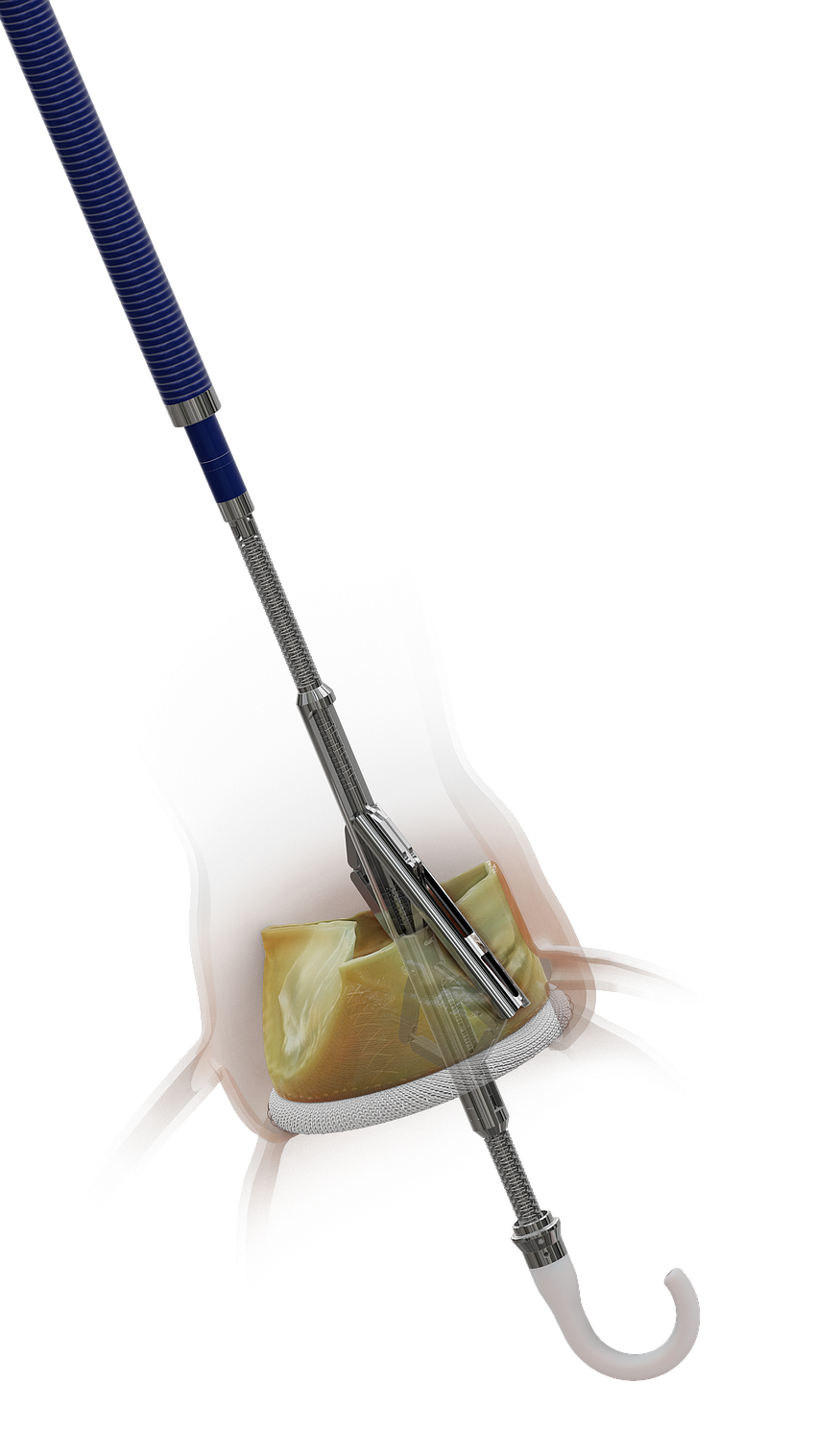
Rather than open a chest for the heart surgery, doctors insert a catheter (usually through the groin) into an artery and implant a new aortic heart valve inside the original diseased valve.
For some high-risk patients, says BayCare, placing a new valve inside the old one can block blood flow. The ShortCut is designed to prevent that from happening.
Pi-Cardia, a Boston company behind ShortCut, won approval for the device from the FDA in September 2024.
Dr. Martin Leon, director for the Center for Interventional Vascular Therapy at New York-Presbyterian/Columbia University Medical Center and a professor of medicine at Columbia University, chaired the global steering committee for ShortCut studies.
In a statement following the approval, he says the studies showed “that mechanical splitting with ShortCut, in both single- and dual-leaflet cases, was a controlled and teachable procedure, making it adoptable by TAVR centers as a critical step pre-implantation, so that patients at risk of coronary obstruction may be safely treated, without disruption of TAVR workflow.”
The initial procedures using ShortCut were done last year at the Gagnon Cardiovascular Institute in Morristown, New Jersey; Cedars-Sinai Medical Center in Los Angeles; and at the Piedmont Heart Institute in Atlanta.
Morton Plant Hospital’s Center for Advanced Valve and Structural Heart Care announced in February that it was the first hospital in Florida to use the ShortCut. The center was founded in 2012 by cardiovascular surgeon Dr. Joshua Rovin.