Feeding Frenzy


  • By
  • | 6:27 a.m. March 8, 2013
  • | 0 Free Articles Remaining!
  • Law
  • Share

In the months after the Deepwater Horizon oil rig exploded 300 miles off Florida's coast in April 2010, hotel and restaurant owners, fishermen and shopkeepers kept a grim vigil, waiting to see whether the millions of gallons of spilled oil would taint the state's beaches and harm its seafood.

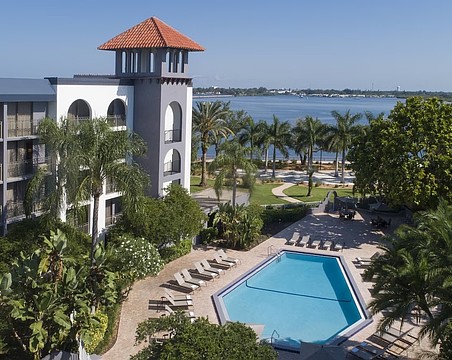
From a distance, thousands of others watched too, the Canadian, European and American tourists and business travelers who had hoped to rent the Tampa Bay, Sarasota or Naples hotel rooms, dine at the restaurants, shop at the stores, and meet in the conference halls along the Gulf of Mexico. Instead, many traveled elsewhere.

Although no flocks of oil-soaked pelicans washed up on Florida's shores, and the 200 million spilled gallons did not blacken beaches as so many feared, the coastal communities and their businesses were nonetheless damaged by the BP oil spill, through economic losses — the visitors who never came. That is the contention of cities and counties, and thousands of business owners whose revenues fell in the months following the disaster.


Continue reading your article
with a Business Observer subscription.
What's included:
  • ✓ Unlimited digital access to BusinessObserverFL.com
  • ✓ E-Newspaper app, digital replica of print edition
  • ✓ Mailed print newspaper every Friday (optional)
  • ✓ Newsletter of daily business news

Latest News

Sponsored Content